Campfire Social Club: A Warm Embroidered Welcome
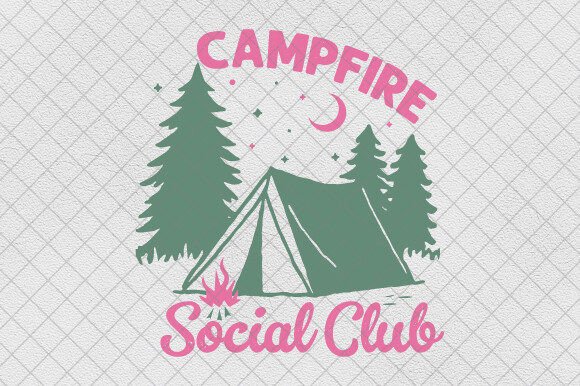
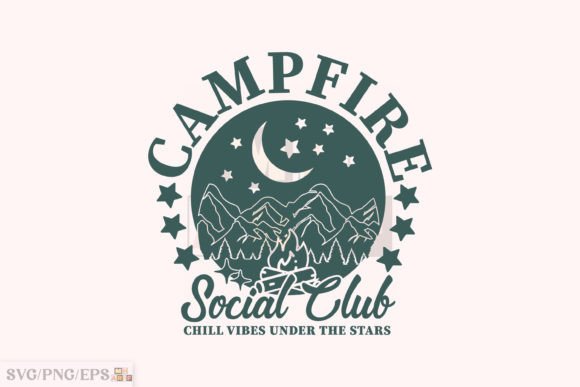
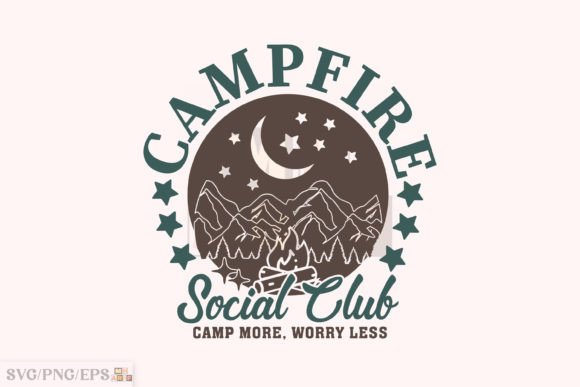
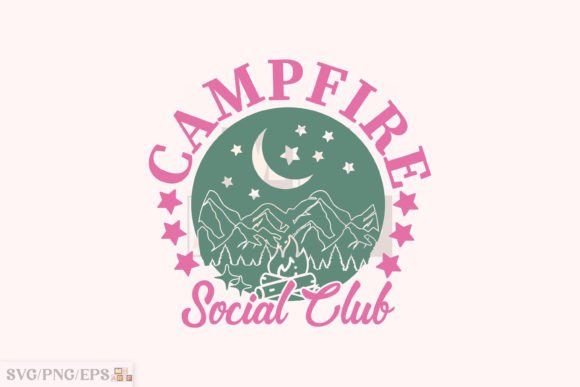
When a design called Campfire Social Club lands on my screen, my first thought isn’t about the files in the zip. It’s about the mood. This one whispers of summer evenings, camaraderie, and a relaxed, rustic charm. The layout and theme suggest a friendly, inclusive statement, perfect for projects where warmth is the message. As a designer who stitches for real clients and my own small shop, I look at a design and immediately picture it stitched. I see it on fabric, judge its visual personality, and start pairing it with potential projects. This one feels like it naturally belongs on cozy, personal items meant to be shared or gifted.
Where This Design Finds Its Home
In practical terms, Campfire Social Club is versatile. Its likely composition—a central motif with clear typography—makes it a strong candidate for a range of custom apparel. I can easily envision it stitched onto the chest of a soft cotton sweatshirt for a family reunion, or as a small, sweet accent on a baby’s blanket. It would shine as a embroidered patch on a canvas tote bag, becoming a statement piece for a craft fair vendor. For small business merchandise, like a boutique’s branded apron or a set of tea towels, it offers a recognizable, handcrafted logo feel. The “camping summer” theme makes it ideal for holiday gifts or personalized products for outdoor enthusiasts. In my studio, I’d consider it for pillow covers or as a gift for a wedding couple who love the outdoors.
The Stitching Reality: Considerations for a Clean Finish
However, the charm of a design on screen must translate into clean stitches. With Campfire Social Club, I’d pay close attention to scale. On very small hoop sizes, any intricate details or tiny lettering could become muddy. Embroidering on textured fabrics like a waffle-knit blanket or on stretchy fabric like a t-shirt requires careful stabilizer choice to keep those clean statements sharp. If the design has dense fill stitch areas, I’d be cautious on thin fabrics to prevent puckering. For commercial embroidery projects like caps, the curved surface demands a well-adapted file layout so the design sits proudly without distortion.
Dark fabric backgrounds are a classic test. A design with good contrast in its digital form should translate well, but I always test on scrap fabric first, checking thread color contrast against the final material. Does the “social club” feeling still come through in deep navy or black? A quick test in a black and white mockup can reveal if the layout holds its visual weight without color.
How This Embroidery File Adds Value to Your Work
From a business perspective, a design like this impacts more than just the stitch count. Its visual appeal, when executed well, directly boosts product value. A clean, cheerful Campfire Social Club embroidery on a tote bag feels more premium, fostering customer trust in your craftsmanship. For Etsy sellers and creative entrepreneurs, it contributes to a cohesive handmade presentation that attracts engagement. Its inherent giftability—it feels personal and theme-specific—can make it a star listing in your shop. Using it consistently across a line of products, like matching sweatshirt embroidery and patches, can strengthen brand consistency for a small outdoor-themed business.
A Designer’s Practical Notes Before Hooping
Before I commit this to a client’s order or a batch of my own shop’s merchandise, my process involves a few key checks. First, I always review stitch density in my software preview, even if exact counts aren’t provided. High density in small areas can be tough on certain fabrics. I confirm the hoop size I plan to use against the design’s detail level. I inspect any small details, like potential fine lines in the campfire illustration, to ensure my machine and thread choice will render them clearly.
I compare how it looks on light and dark backgrounds in my digitizing software. I select my stabilizer based on the final fabric—no guesswork. Crucially, I confirm the licensing before any commercial use. The product description mentions the files included, but the terms of use for selling finished items or as a digital embroidery file itself need to be clear. I never assume; I check.
Finally, I think about the end product’s life. If this is going on a kitchen towel or a child’s item that needs frequent washing, I consider using robust thread and perhaps a simpler stitch style for longevity. The goal is for the Campfire Social Club feeling to last as long as the stitches themselves.
Ultimately, It’s About the Story It Stitches
In the end, evaluating Campfire Social Club, Camping Summer SVG isn’t about listing file formats. It’s about seeing a design as a craft business asset. It’s about judging its potential to tell a warm, simple story on fabric. With thoughtful application on the right products and careful attention to the realities of embroidery, this design can become a lovely, trusted part of your project repertoire—whether for a single personalized gift or for a whole line of small shop products. That’s the practical judgment that turns a digital file into a finished product people truly want to hold.