Embroidery Design Review: Pregnant Girl Summer
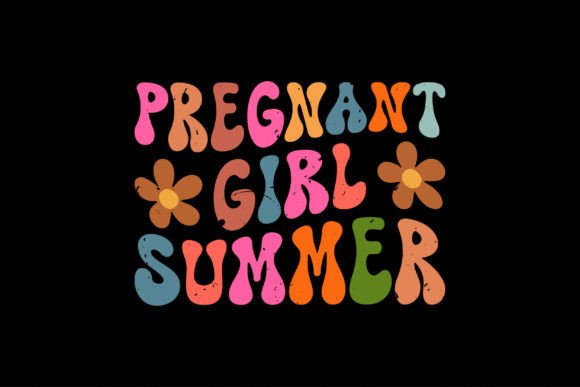
When an embroidery design crosses my desk for review, my first thought is always about its real-world fate. How will it look after stitching? What will it feel like on a finished product? Who would buy it? So, let’s talk about Pregnant Girl Summer. This isn’t just a graphic; it’s a statement waiting to be stitched.
The First Impression: A Celebration in Stitches
The mood is immediately clear: joyful, relaxed, and celebratory. This is a design that speaks to a specific, beautiful moment. It has a playful personality, and the layout feels modern and clean. For an embroidery designer, this translates into a project with strong emotional appeal. My mind goes straight to personalized gifts—a custom sweatshirt for a mom-to-be, a special tote bag for her beach days, or a cozy pillow cover for a nursery. It feels perfect for a boutique product celebrating motherhood in a lighthearted way.
Where This Design Finds Its Home
Pregnant Girl Summer isn’t a one-size-fits-all design; it has a natural habitat. For small business owners and Etsy sellers, it’s a ready-made design asset for a niche market. Imagine it embroidered on the corner of a soft baby blanket, or as a standalone patch on a denim jacket. It would be a standout on a kitchen towel in a gift basket, or centered on a crisp apron. The theme lends itself perfectly to holiday gifts—think Mother’s Day or a baby shower—and it could become a signature item for a craft business focused on maternity or family.
For apparel decorators, consider it on a high-quality cotton t-shirt or the front of a relaxed-fit sweatshirt. On a cap, the curved surface might pose a challenge with larger text elements, so positioning is key. As a digital embroidery file, its utility for printable mockups and digital product previews is a real plus for sellers of finished products.
Scenarios Where Careful Planning is Needed
Embroidery is a practical art. While Pregnant Girl Summer is charming, its successful application depends on thoughtful execution. On very small hoop sizes, any fine details or small lettering could become muddy. Stitching on textured fabrics like linen or on thin, stretchy jersey requires extra attention to stabilizer to prevent distortion.
Dark fabric backgrounds demand a review of thread color contrast—you need those stitches to pop. Applying it to a curved surface like a baseball cap requires careful digitizing consideration to avoid puckering in dense stitch areas. And for products destined for frequent washing, like baby clothes or kitchen towels, a robust stitch density and secure stitching are non-negotiable for longevity.
The Practical Impact on Your Project
Using this design affects more than just the fabric. Its visual appeal directly influences stitching clarity and the perceived value of your handmade product. A clean, well-executed embroidery of this theme builds customer trust—it looks professional and intentional. It enhances giftability because it’s personal and specific. For a creative entrepreneur, it can bolster brand consistency if it aligns with your shop’s aesthetic.
From a commercial embroidery standpoint, its recognizability is a strength. A customer sees it and immediately understands the celebration it represents. That connection drives buyer engagement, whether in an Etsy listing or on a product at a craft fair.
Embroidery Designer Notes: Your Pre-Stitch Checklist
Before you commit this design to a final project, run through these practical steps. They save time, materials, and disappointment.
- Always test on scrap fabric first. Use the same fabric and stabilizer you plan for the final product. This reveals how stitch density behaves and how small details render.
- Check thread color contrast against both light and dark fabric backgrounds. What looks good on a screen may need adjustment on actual thread.
- Review the provided files. You have an SVG, PNG, EPS, and DXF. Confirm which format works best with your software and equipment for a clean embroidery file.
- Inspect the design for any tiny corners or intricate decorative accents that might need simplification for your chosen hoop size.
- Use proper stabilizer. This is not an area to compromise, especially for wearable apparel or items on stretchy fabric.
- Consider licensing. The description mentions commercial use, but always double-check the specific terms for Pregnant Girl Summer before selling finished items or including it in digital products for resale.
A Real-Life Project Walkthrough
Let’s picture a specific scenario. I’m preparing a custom embroidered tote bag for a client’s baby shower gift. I choose a natural canvas tote. My first concern is the fabric’s texture; canvas can be rough. I’ll use a firm stabilizer. I test the design on a scrap of the same canvas. The test shows the fill stitches look good, but I note that some of the lighter, finer lines might need a slightly thicker thread weight or a careful stitch type, like a running stitch, to maintain clarity.
I decide on a vibrant, summery thread palette to really bring the “Summer” vibe to life. After stitching, the design sits beautifully centered on the bag. It feels handmade but professional. The client’s reaction is the final test—it’s immediate delight. The design’s personality translated perfectly into stitches, creating a product that feels both useful and deeply personal. That’s the real goal: a design that becomes a beloved object.
In conclusion, Pregnant Girl Summer is more than a graphic in a zip file. It’s a well-defined concept that, with careful embroidery application, can become a standout piece in your portfolio or product line. Its strength is its targeted emotional resonance. For makers and sellers, it offers a clear path to a finished product that customers will understand and appreciate instantly. Just remember the embroidery fundamentals: test, plan, and stitch with intention. Then watch a simple design become a meaningful product.