Beyond the Screen: Evaluating a Campfire Embroidery Design
When I pull up a new embroidery design file, my mind immediately shifts from pixels to stitches. I'm not just looking at an image; I'm visualizing thread paths, fabric textures, and the finished piece sitting in a customer's hands. Today, I'm putting the Camping, Summer Campfire Social Club PNG design through that practical lens. As a graphics file intended for T-shirt designs, it promises a certain mood and utility, but how does it translate into a real, stitched embroidery project? Let's walk through that process.
The First Impression: Warmth and Gathering
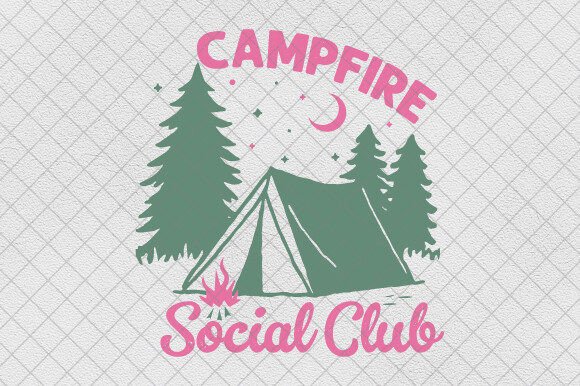
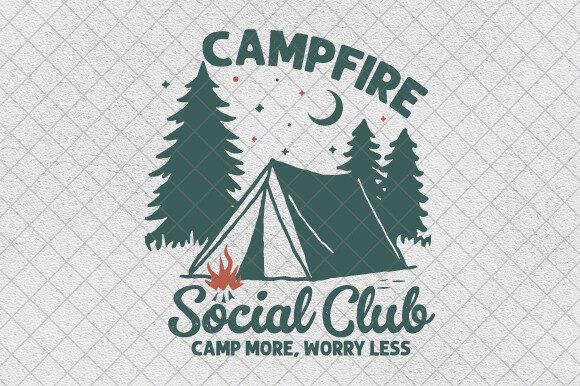
Right away, this design evokes a specific feeling. The campfire theme, combined with the "Social Club" wording, creates a sense of community, warmth, and shared outdoor experience. It's not just a generic camping logo; it suggests belonging. The layout likely centers around a campfire motif, which is a classic, recognizable symbol. For embroidery, this is good news. Clear, iconic shapes often stitch out with great clarity. The level of detail hinted at in the description—being "Hi-quality"—means we can expect clean lines and distinct elements, which are crucial for converting a PNG or SVG into a clean embroidery file without losing the soul of the design.
A Practical Scenario: Embroidered Tote Bags for a Camp Group
Imagine you're preparing a batch of custom tote bags for a summer camp's alumni group. This design immediately feels like a contender. You're thinking about fabric choice—a sturdy cotton canvas for the bag. How will those campfire flames look in satin stitch? Will the lettering, especially "Social Club," remain legible at a reasonable size on the bag's panel? This is where the design's quality matters. A clean vector file (like the included EPS or SVG) allows for precise scaling, ensuring the design doesn't become a muddy, dense blob when stitched. The mood is perfect for the product: a usable, handmade item that reinforces a sense of group identity.
Performance Across Real Embroidery Projects
This design's theme lends itself to a wide range of projects. Let's consider its application beyond the obvious T-shirt designs category.
- Sweatshirts & Hoodies: A larger campfire design on the back of a sweatshirt, done with a blend of fill stitches for the logs and satin stitches for the flames, could become a standout piece. The "social" aspect makes it perfect for group orders.
- Embroidered Patches: This is a prime candidate for a patch. It could be stitched onto backpacks, hats, or jackets. The design's potential for clear borders and distinct elements makes it ideal for patchwork.
- Home Goods & Gifts: Think pillow covers for a rustic cabin, tea towels, or even a wall hanging in a nursery with a woodland theme. The friendly, gathering vibe translates well to decorative items.
- Baby & Children's Apparel: Simplified and stitched onto a baby onesie or toddler jacket, it becomes a cute, personalized gift, especially for families who love the outdoors.
- Small Business Merchandise: For an Etsy seller specializing in outdoor or rustic-themed goods, this design could be a core asset for creating cohesive product lines—from aprons to tote bags—building brand consistency.
In each case, the design's success hinges on its translation from digital graphic to physical stitches. The provided file formats (EPS 10, SVG, PNG) are a strong start, as they give flexibility for digitizing into a proper embroidery file.
Where Caution is Needed: The Stitching Reality
Not every project is a perfect fit. Here's where an experienced eye assesses potential pitfalls.
- Small Hoop Sizes & Tiny Details: If the design has very small lettering or intricate details within the campfire, these could become problematic on small items like caps or baby clothes. Stitches have a physical thickness; tiny spaces can close up.
- Textured or Stretch Fabrics: Stitching onto a thick, textured sweater or a stretchy knit requires careful stabilizer choice. Designs with large fill areas might puckering on these fabrics.
- Dark Fabric Backgrounds: The campfire theme often uses warm colors (oranges, yellows, browns). On a black or navy garment, achieving vibrant, clear flames requires careful thread color selection and potentially adjusting stitch density for better contrast.
- Curved Surfaces Like Caps: Applying a potentially wide, horizontal design to the curved front of a cap needs forethought. The layout might need adjustment during digitizing to fit the shape without distortion.
- Products for Frequent Washing: For kitchen towels or often-worn apparel, designs with extremely dense stitch areas can be less durable over time. A balanced stitch density is key.
These aren't flaws of the design itself, but rather considerations for the embroidery process. A "hi-quality" graphic gives a digitizer a better starting point to address these challenges.
The Impact on Customer Appeal and Trust
When this design is embroidered well, it elevates the final product. The clear theme creates instant recognition and emotional connection for the buyer—whether it's a gift for a camping enthusiast or merchandise for a club. A clean, professional stitch-out reflects care and skill, building customer trust in your handmade product or craft business. It feels intentional, not generic. This directly affects perceived value and giftability. A well-executed embroidered tote bag with this design tells a story, which is exactly what creative entrepreneurs and small shop owners want for their products.
Essential Designer Notes Before You Stitch
Before you load this Camping, Summer Campfire Social Club PNG into your software and hit start, here's my practical checklist.
- Test on Scrap Fabric First: Always, always stitch a sample on a scrap of your target fabric. This reveals how the design truly behaves with your thread, stabilizer, and machine settings.
- Check Color Contrast: Plan your thread palette. On light fabrics, the design might pop easily. On dark fabrics, you may need brighter or lighter shades to keep the campfire vibrant.
- Review Stitch Density in Your Digitized File: If you're converting the SVG/PNG to an embroidery file, pay attention to the fill stitch density for larger areas. Too dense can stiffen the fabric; too light can look sparse.
- Confirm Hoop Size Requirements: Based on your desired final size, ensure your machine hoop can accommodate it and that the design layout fits well within that space.
- Inspect Small Details: Zoom in on the digitized version. Check that small text like "Social Club" is clear and that any intricate corners are stitchable.
- Mockup on Light & Dark Backgrounds: Even before stitching, use digital mockups to see how the design appears on both white and black product images. This helps with marketing and product photography for your Etsy listings or craft fair previews.
- Clarify Licensing for Commercial Use: The product description mentions the files you receive, but always confirm the license terms. Ensure you understand if and how you can use this design for commercial embroidery projects, selling finished products, or creating digital products like printable mockups. This is crucial for craft businesses and digital product sellers.
Embroidery is a bridge between a digital asset and a tactile, cherished object. The Camping, Summer Campfire Social Club PNG design, with its strong thematic core and quality file formats, provides a solid foundation for that journey. By approaching it with this practical, real-world mindset, you can transform it from a graphic into an embroidery project that truly captures the warmth of a campfire gathering, stitch by stitch.